 Optimizely
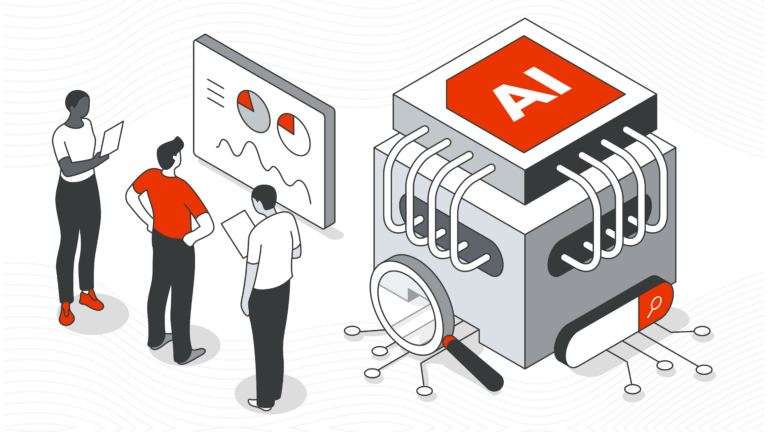
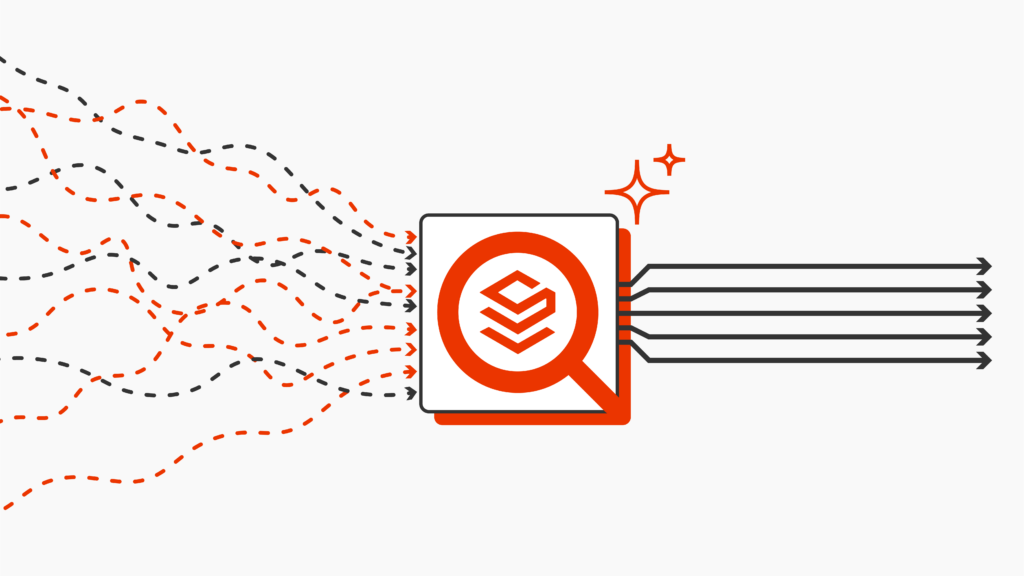
Apache Solr 10 gives enterprise search owners more control over vector retrieval, hybrid search in production. For customers that run Solr, the urgent question is how fast they can put Solr 10 retrieval controls into production without expanding Solr operations.
For enterprises that benefit from Solr, the Solr 10 support advancements are a timely development. AI teams are currently moving toward vector retrieval, hybrid search and agent workflows. Search infrastructure owners need a production path before AI platform engineers adopt a separate retrieval stack.
SearchStax Managed Search service supports Solr 10 for vector retrieval, hybrid search and Solr operations. Search engineers, platform architects and IT admins use Managed Search to put AI retrieval into production while SearchStax handles infrastructure, observability, on-demand capacity, backups, recovery and support.
Why Solr 10 Matters for Enterprise AI
Enterprise AI search depends on retrieval quality. RAG, copilots and agent workflows only create business value when they retrieve the right enterprise content, respect access rules and return context the model can use.
Vector distance reflects semantic similarity. Keyword search captures exact language. Schemas, filters, facets and relevance logic apply the business rules that enterprise AI retrieval needs. These controls support regulated knowledge assistants, legal search, support copilots, product discovery and internal agent workflows.
Apache Solr supports DenseVectorField for dense vector search, while vector generation happens outside Solr in application logic. That distinction is significant because Solr handles the retrieval while the application owns embedding generation and the LLM pipeline. Solr supports hybrid search, which combines semantic retrieval with exact-match and ranking controls that enterprise applications require.
What New Vector Controls Does Solr 10 Add?
Solr 10 adds efSearchScaleFactor for the KNN query parser. This parameter controls how many candidate vectors HNSW explores during graph traversal, so search engineers tune accuracy independently of result count.
Solr 10 also adds scalar and binary quantized dense vectors for DenseVectorField. Quantization reduces memory consumption and improves search performance with an accuracy tradeoff that search owners need to evaluate against the use case.
These controls require production tests for recall, latency and memory use. Without an upgrade plan, AI teams face a choice between older Solr capabilities and a separate retrieval stack.
Enterprise AI retrieval has budget, latency and quality constraints. A legal assistant, healthcare knowledge assistant or support copilot cannot rely on semantic similarity alone. It needs retrieval that balances relevance quality, memory efficiency, response time and governed access.
"Managed Search delivers a fully-managed path to Solr 10. SearchStax handles infrastructure, observability, on-demand capacity, backups, recovery and support."
Why Does Solr 10 Require an Operations Plan?
Solr 10 adds new retrieval controls and requires changes to upgrade planning, runtime standards and production validation.. Apache Solr 10 requires Java 21 for the Solr server, while SolrJ client libraries continue to use JDK 17.
That requirement affects upgrade planning, runtime standards, custom integrations and application validation. Enterprises that delay this work risk leaving AI retrieval projects on older search infrastructure while competitors move faster with vector and hybrid retrieval.
The business value is faster production AI retrieval without a separate retrieval stack. Search engineers get more control over retrieval quality. Platform architects reduce stack sprawl. IT admins reduce the infrastructure burden behind the Solr layer. AI engineers gain a clearer path from prototype RAG to governed production workflows.
How Managed Search Supports Solr
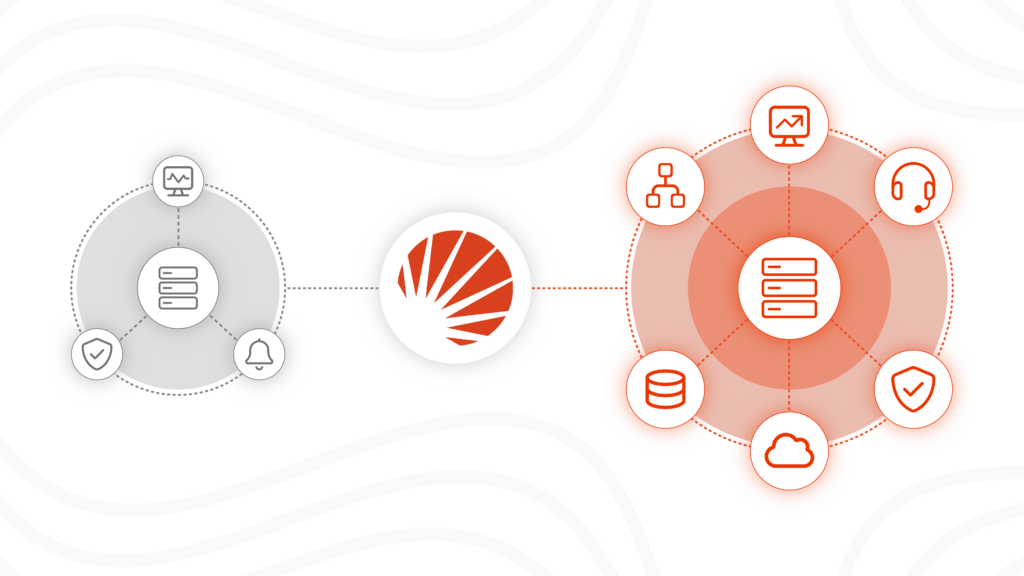
Managed Search delivers a fully-managed path to Solr 10. SearchStax handles infrastructure, observability, on-demand capacity, backups, recovery and support. Customers retain ownership of embeddings, schemas, filters, relevance logic, application experience and the LLM/RAG pipeline.
That shared responsibility model keeps the architecture clear. SearchStax operates the Solr service. The customer controls the AI retrieval strategy.
Enterprise Use Cases for Solr 10
Governed knowledge assistants: Financial services, healthcare, government and legal organizations need answers from approved content. Solr 10 vector controls and hybrid retrieval support semantic discovery while schemas, filters and relevance logic preserve business rules.
Support copilots: Customer support workflows need context from tickets, documentation, products and entitlements. Hybrid retrieval gives copilots semantic reach without losing exact product terms, access rules or support policy.
Agent workflows: Agentic workflows need retrieval that returns usable context for each task. Solr gives search owners a retrieval engine with structured filters, relevance controls and query logic.
Production traffic growth: American Legal Publishing shows the production side of the problem. The organization faced heavier crawler traffic, growing public use and higher uptime demands. Its SearchStax-managed Solr service protected uptime, scaled on demand and kept updated laws searchable within minutes instead of hours.
What Should Solr Customers Do Next?
Solr 10 the decision point for enterprise AI retrieval.
Search engineers need to assess vector configuration, hybrid retrieval strategy and relevance quality. Platform architects need to decide whether Solr remains the retrieval layer for AI. IT admins need to validate uptime, backup, recovery and support requirements.
Enterprises that move now keep Solr in the AI architecture. Enterprises that wait risk stack sprawl, duplicated governance and more production systems to operate.
Schedule a Solr Consultation
Let’s talk about your Managed Search readiness for AI retrieval.

Trenton Baker
|
Principal Product Marketing Manager
Marketing leader who defines cloud and data strategy for AI/RAG use cases, data protection, and compliance. Connects technical decisions to business outcomes that enable customers to run production workloads and scale across cloud environments.