 Optimizely


Most enterprise organizations don’t spend much time thinking about their site search.
A search bar exists on the website. Visitors type queries into it. Results appear. On the surface, everything seems to be working as intended.
That’s exactly why site search problems often go unnoticed.
Unlike a broken checkout experience or a website outage, poor search performance rarely triggers immediate alarms. Visitors don’t submit support tickets because search results feel irrelevant. They don’t email the marketing team when they struggle to find information. Instead, they adapt. They try another search, click deeper into navigation or leave the website altogether.
According to new research from CMSWire and SearchStax, the problem is far more widespread than many organizations realize; 83% of organizations experience major gaps in their native CMS or DXP search capabilities. Only 17% report having no significant shortcomings in their current search experience. That means the vast majority of organizations acknowledge that their search technology isn’t meeting expectations.
The issue isn’t whether search works. The issue is whether search is helping visitors find what they need quickly and confidently.
For many organizations, the answer is no.
Why Native CMS and DXP Search Often Falls Short
Most content management systems and digital experience platforms include search functionality as part of a broader suite of capabilities. Search is one feature among many. While that may be sufficient for basic website navigation, today’s visitors expect far more from search.
The research highlights several recurring shortcomings among organizations relying on native CMS or DXP search.
The most common complaint is the quality of search results themselves. Nearly half of respondents say their native search solution struggles to deliver relevant results. Close behind are concerns around limited AI and semantic search capabilities, restricted control over search adjustments and poor analytics and reporting.
These challenges don’t exist in isolation.
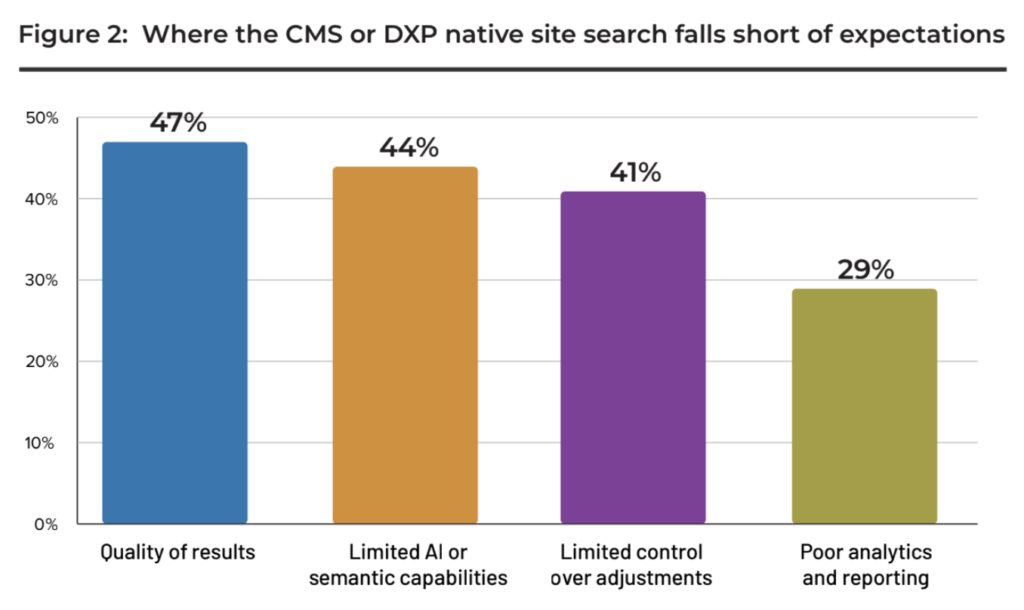
When search relevance suffers, visitors struggle to find answers. When marketers can’t easily influence rankings or optimize outcomes, those issues persist. When analytics are limited, teams lose visibility into what visitors are searching for and where the experience is failing.
The result is a search experience that gradually falls out of alignment with visitor expectations while becoming harder to improve over time.
"When visitors can't find answers, organizations lose opportunities that have already made it through the hardest part of the journey: getting someone to the website in the first place."
Search Expectations Have Changed; Many Search Experiences Haven’t
The challenge facing enterprise organizations today isn’t simply about technology. It’s about changing user behavior.
Visitors have become accustomed to search experiences that understand intent beyond just keywords. Google, AI assistants and large language models have fundamentally changed expectations. People increasingly expect search to understand context, surface relevant answers quickly and eliminate friction from the discovery process.
That expectation doesn’t disappear when users arrive on an organization’s website. If anything, it becomes more important for those expectations and the website experience to align.
Whether someone is researching healthcare providers, evaluating a university, exploring financial services or comparing manufacturer offerings, the search bar is often the fastest path to an answer. When that experience feels outdated, visitors notice immediately.
Native search tools frequently struggle to meet these modern expectations because they weren’t originally designed to serve as sophisticated discovery engines. They were built to provide basic search functionality across growing content repositories.
Today’s audiences expect something far more intelligent that connects closer to their intent.
When Search Fails, Visitors Don’t Wait Around
One of the most dangerous assumptions organizations make is believing users will simply work harder when search results aren’t helpful. That’s rarely what happens.
The report found that 45% of organizations say users frequently encounter irrelevant or outdated search results. When visitors repeatedly fail to find what they’re looking for, frustration builds quickly.
Some visitors abandon their session entirely. Others return to Google. Some seek answers from competitors whose websites make information easier to find. The impact extends beyond user experience and impacts bottom-line metrics like conversion and revenue.
Search users are often some of the highest-intent visitors on a website. They are actively seeking information, products, services or solutions. They’re raising their hands and telling organizations exactly what they want.
When site search falls short for those users, organizations are missing opportunities to engage, convert and build trust with their audience.
The Visibility Problem Is Often Worse Than the Search Problem
Poor search relevance is certainly a challenge. But a lack of visibility into search performance may be an even bigger one. Many organizations don’t have a clear understanding of how their onsite search experience is performing or where it’s breaking down.
The report found that fewer than half of organizations actively monitor zero-result searches.
That’s significant because zero-result searches often reveal some of the most valuable insights on a website. They expose content gaps, navigation issues and unmet visitor needs in real time.
Every search query is a signal. Every unsuccessful search is feedback. Yet many organizations fail to capture or act on those signals.
Without visibility into search behavior, teams struggle to identify patterns or understand how search influences broader business outcomes. Search becomes a black box rather than a strategic source of insight.
The Competitive Cost of Standing Still
The stakes surrounding site search are increasing.
AI-powered search experiences and Google’s evolving search landscape are already changing how people discover information online. As AI-generated summaries reduce click-through rates from traditional search engines, the visitors who do reach your website often arrive with stronger intent and more specific needs.
That makes every interaction more valuable. Organizations can no longer afford to treat site search as a secondary website feature or a checkbox capability bundled within a CMS.
Search sits too close to conversion, engagement and customer intent.
When visitors can’t find answers, organizations lose opportunities that have already made it through the hardest part of the journey: getting someone to the website in the first place.
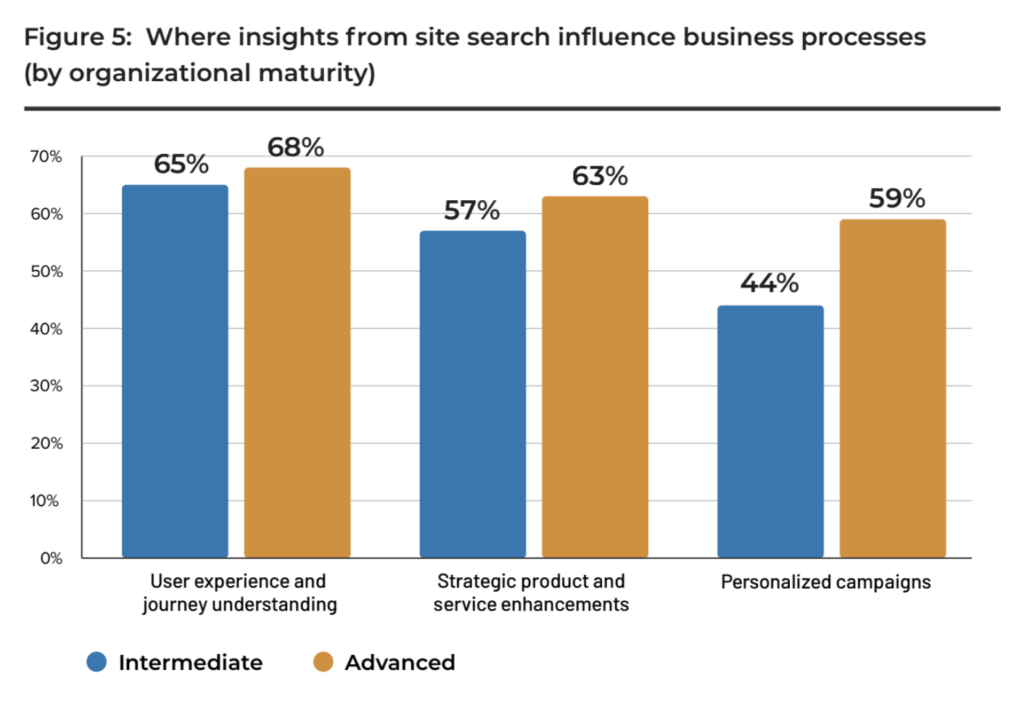
Meanwhile, organizations investing in better search experiences are gaining a competitive advantage. They’re helping visitors find information faster, uncovering valuable intent signals and using search insights to improve broader digital experiences. Those organizations self-identified as having “Advanced” site search maturity, and the data shows they have outstripped lower maturity groups in every key metric.
Dive Into the Full Report Findings
Want to see how enterprise organizations are evaluating their site search capabilities and where the biggest opportunities for improvement exist?
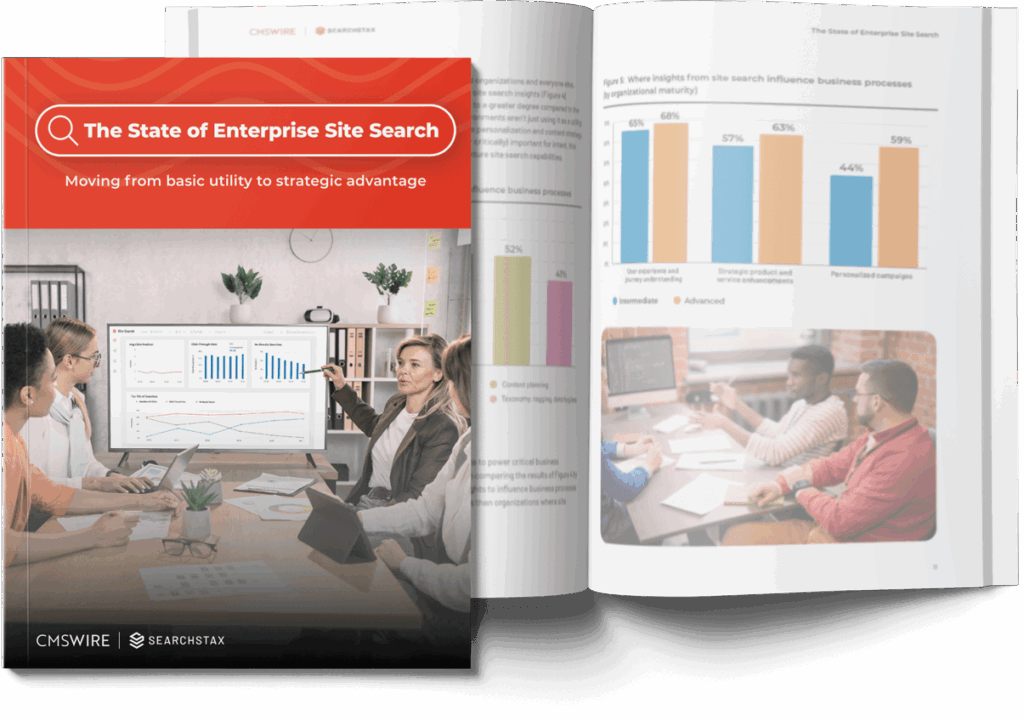
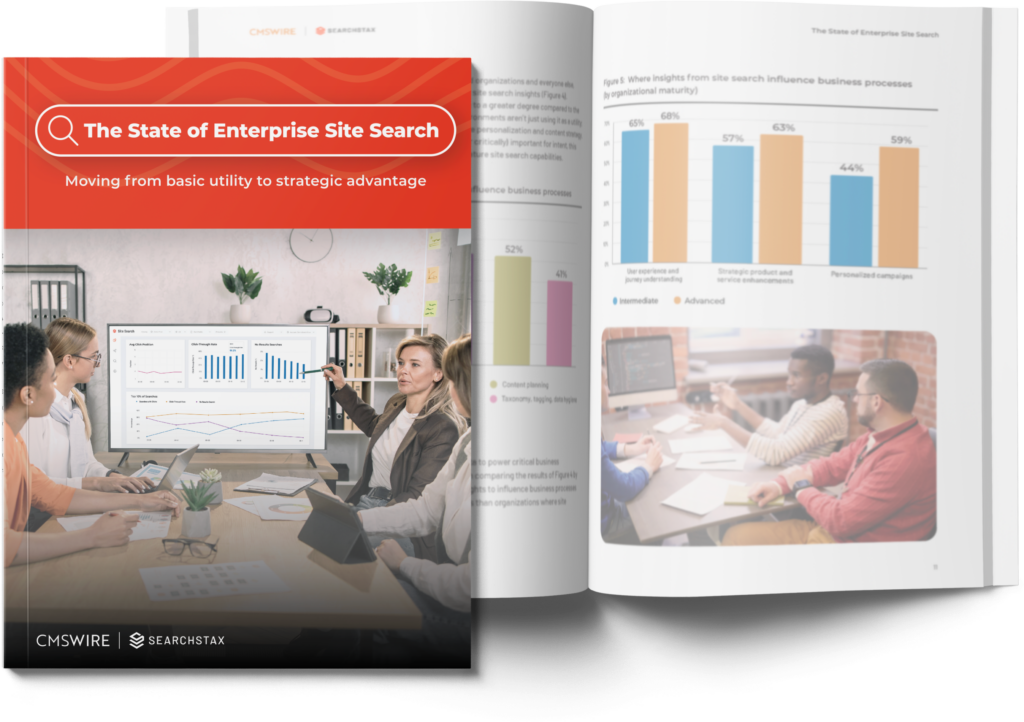
Download the full State of Enterprise Site Search report for additional research, benchmarks and insights from more than 500 enterprise leaders.
Get Our Newsletter
The Stack is delivered bi-monthly with industry trends, insights, products and more

John Abbasi
|
Senior Editorial & Content Manager
Content marketing manager focused on brand storytelling, building SEO/GEO engines and elevating customer voices with a constant mission of weaving editorial quality and the value of site search technology into every piece of content.