 Optimizely

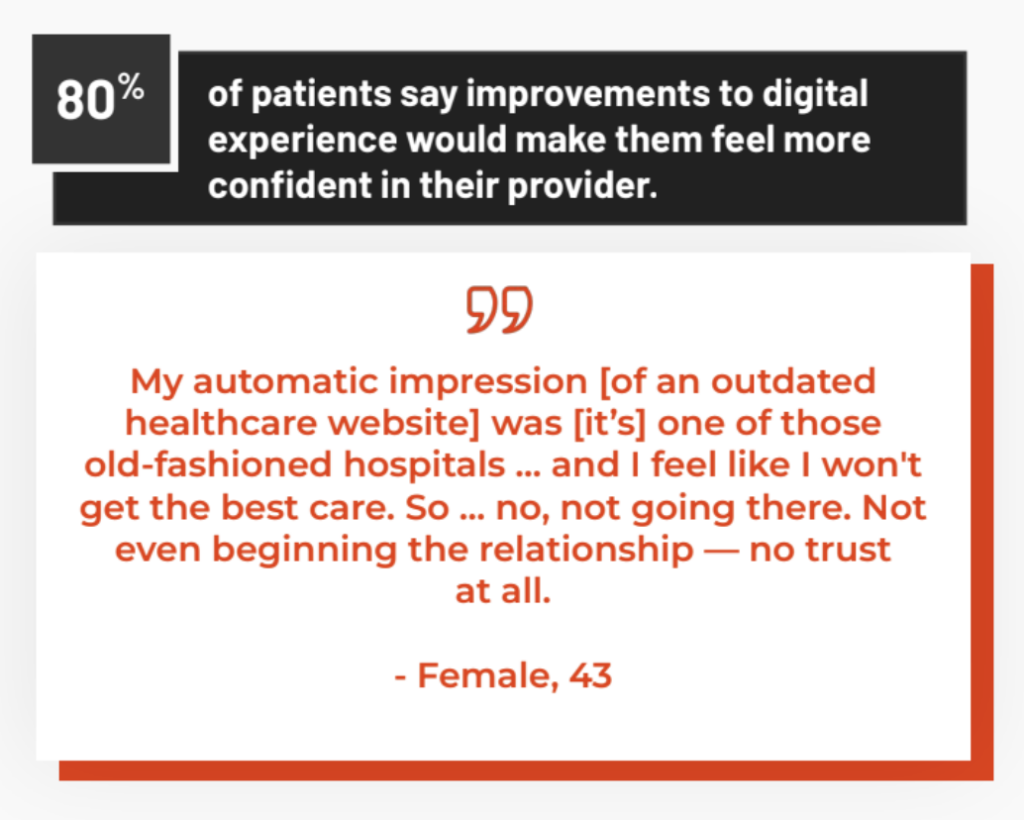
80% of patients say improvements to their healthcare provider’s website would make them more likely to engage with that provider in the future. That’s not a satisfaction survey result. That’s a direct signal from the people health systems are trying to reach, and it’s worth treating it as the mandate it actually is.
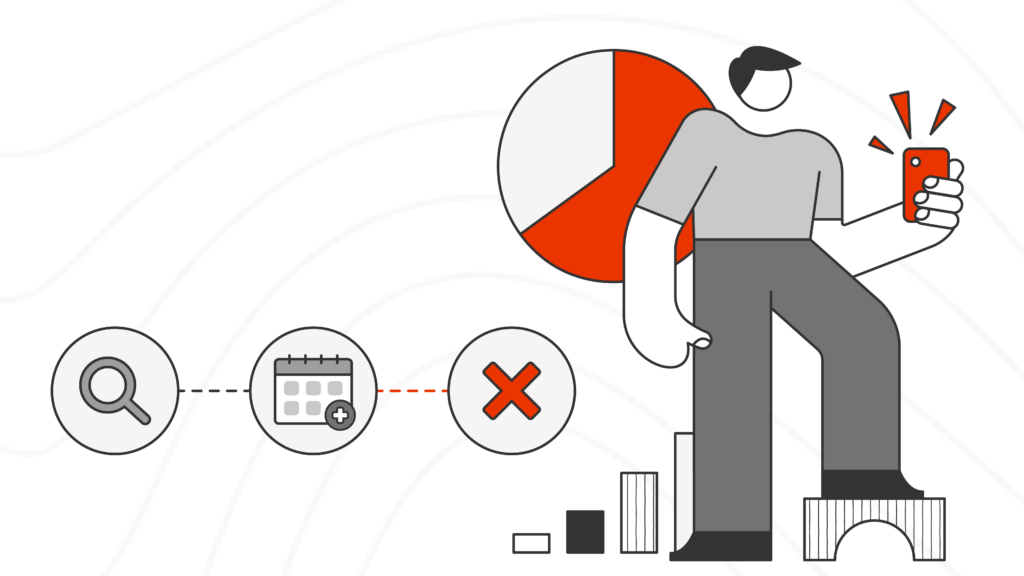
The 2026 SearchStax and MDRG national study of 1,000 U.S. adults zooms in on what’s broken and where. Patients are using health system websites to make care decisions before they ever speak to a clinician. Search is failing them at the moment they’re most ready to act. Digital friction is driving call center volume and costing organizations patients who never enter the system at all. This is about more than diagnosing another problem; it’s about what the data is telling health systems to do, and what’s at stake for organizations that respond versus those that don’t.
Read on below to learn more about how healthcare website experiences impact confidence in the organizations themselves, or you can dive into the full research findings by downloading the report.
Engagement Starts With Confidence
The research connects digital experience directly to patient confidence, and confidence is what drives the behaviors health systems depend on. Scheduling. Follow-through on referrals. Return visits. Long-term loyalty to the system over independent or competing providers. All examples of high value patient actions that are driven by confidence and trust.
A patient who finds the right specialist quickly, confirms insurance coverage without a phone call and books an appointment in a single session starts the clinical relationship already confident in the organization. That confidence doesn’t evaporate at the front door of the clinic. It carries into the visit, into the follow-up and into whether that patient refers a family member to the same system six months later. The digital experience sets the tone for everything downstream, and most health systems are setting that tone poorly.
"Rather than asking for technology, patients are asking for an experience that respects their time and helps them get to care without unnecessary friction."
The Expectation Gap Is Growing
The generational data in this study is where health system leaders should be paying close attention, because it’s a leading indicator of where patient expectations are heading across the board.
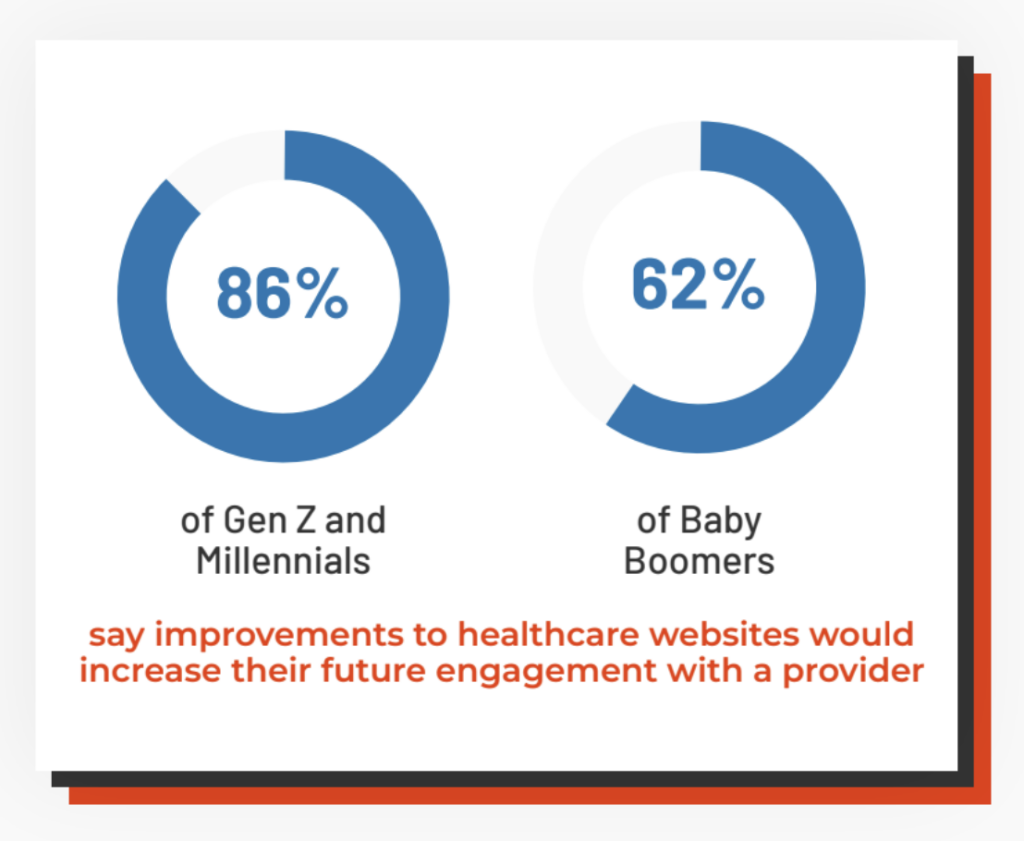
86% of Gen Z and Millennials say website improvements would increase their future engagement with a provider. Among Baby Boomers that number drops to 62%. The gap itself is significant, but the more important story is the direction. Younger patients are entering the healthcare system with a digitally native mindset and habits that have developed from growing up with technology at their fingertips. They have zero tolerance for experiences that feel like they were designed a decade ago. They’re not going to develop patience for friction as they age. They’re going to continue expecting the same quality of digital experience from their health system that they get from every other service they use.
The organizations building for that expectation now will have a structural advantage in five years that will be very difficult for competitors to close. The ones waiting for patient pressure to force the investment are already behind.
What Better Actually Means to Patients
There’s a tendency in healthcare digital strategy to frame “better” in terms of features and functionality. A new scheduling tool. A redesigned provider directory. A chatbot on the homepage. Patients aren’t describing better in those terms.
What the research surfaces is much simpler. Patients want faster access to answers. Clear pathways that lead somewhere actionable rather than to a dead end. Information that’s current and relevant to what they’re actually trying to figure out. Less effort to complete the task they came to complete. One male participant, 57, described what a better experience would mean to him: easier access to information would make him more inclined to stay with his current provider and would create a deeper level of relationship.
That’s the opportunity health systems keep undervaluing. Rather than asking for technology, patients are asking for an experience that respects their time and helps them get to care without unnecessary friction. The organizations that deliver that consistently are building something competitors can’t easily replicate, because it requires sustained investment and organizational commitment rather than a single platform decision.
Why Incremental Fixes Aren’t Enough
Most health system digital roadmaps are built around incremental improvement. Fix the scheduling flow, update the provider bios, add filtering to the search results page. These are reasonable updates to make and none of them are wrong, but they don’t add up to the experience patients are describing when they say they want something better.
Piecemeal updates address symptoms without touching the underlying architecture. A better filter on a search tool that still can’t interpret natural language queries doesn’t solve the problem the 60% of frustrated search users are experiencing. A redesigned scheduling flow that still requires four steps to book an appointment doesn’t meet the expectation of a patient who booked a dinner reservation in 45 seconds last night. Incremental improvement inside a flawed system produces a slightly less flawed system. It doesn’t produce the confidence-building experience the 80% are asking for.
The organizations making real progress on this aren’t treating it as a website project. They’re treating it as a patient experience infrastructure decision that happens to live online.
Turning Digital Experience Into a Growth Engine
The closing argument here isn’t complicated, but it rarely gets made explicitly in health system strategy conversations. Better digital experiences drive higher engagement. Higher engagement drives stronger acquisition and retention. Stronger acquisition and retention drive patient volume and downstream revenue that funds the clinical mission.
That chain of causation is what the 80% finding is actually pointing at. Patients aren’t saying they’d like a nicer website. They’re saying a better digital experience would change their behavior with the organization. That’s a growth lever, and in a market where patient acquisition costs are rising, healthcare conversion optimization is less clear than ever and loyalty is less durable than it used to be, it’s one of the highest-return investments a health system can make.
Where to Focus First
Search and navigation are the primary entry points where patients either find their path or lose it. Provider discovery and scheduling flows are where intent either converts or abandons. Content clarity is what determines whether a patient leaves with confidence or leaves with questions that send them somewhere else for answers.
None of those are small efforts. All of them are tractable. And the data makes a compelling case that patients are ready to reward the organizations that get them right with exactly the kind of engagement, loyalty and long-term relationship that health systems are trying to build.
Four out of five patients are telling you the same thing. That’s about as clear a mandate as the data ever produces.
See How Digital Experience Impacts Patient Confidence and Organizational Trust
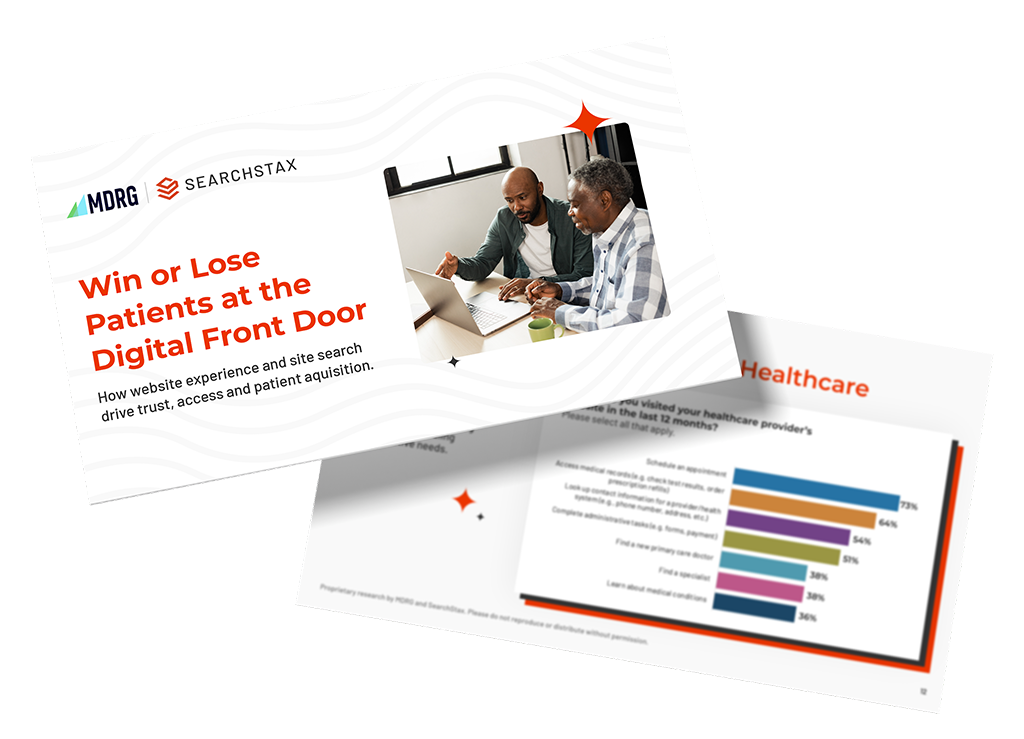
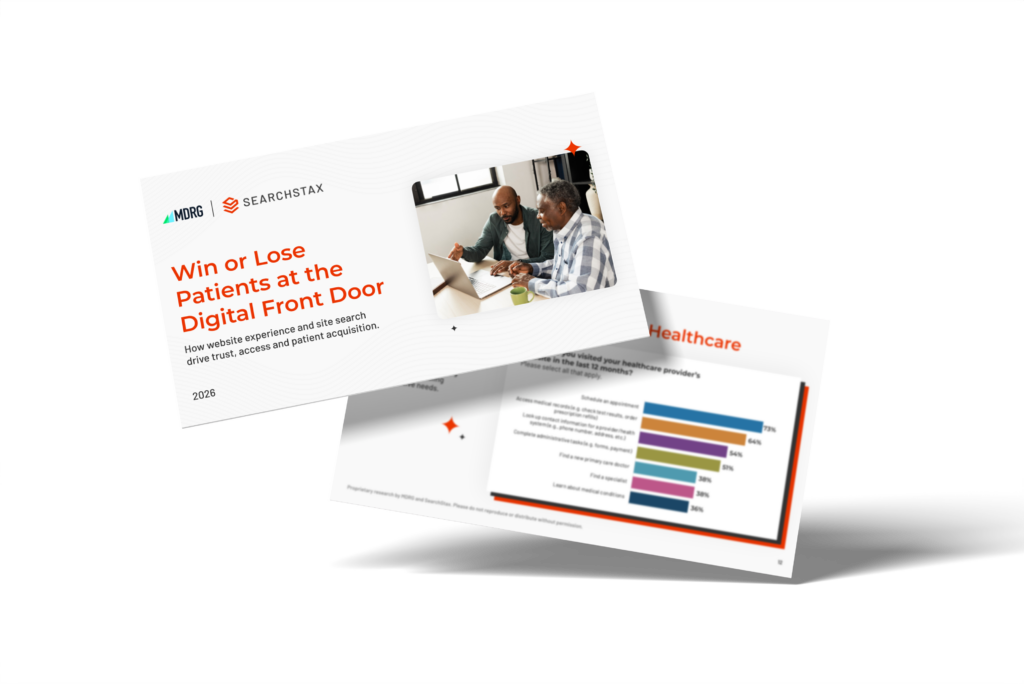
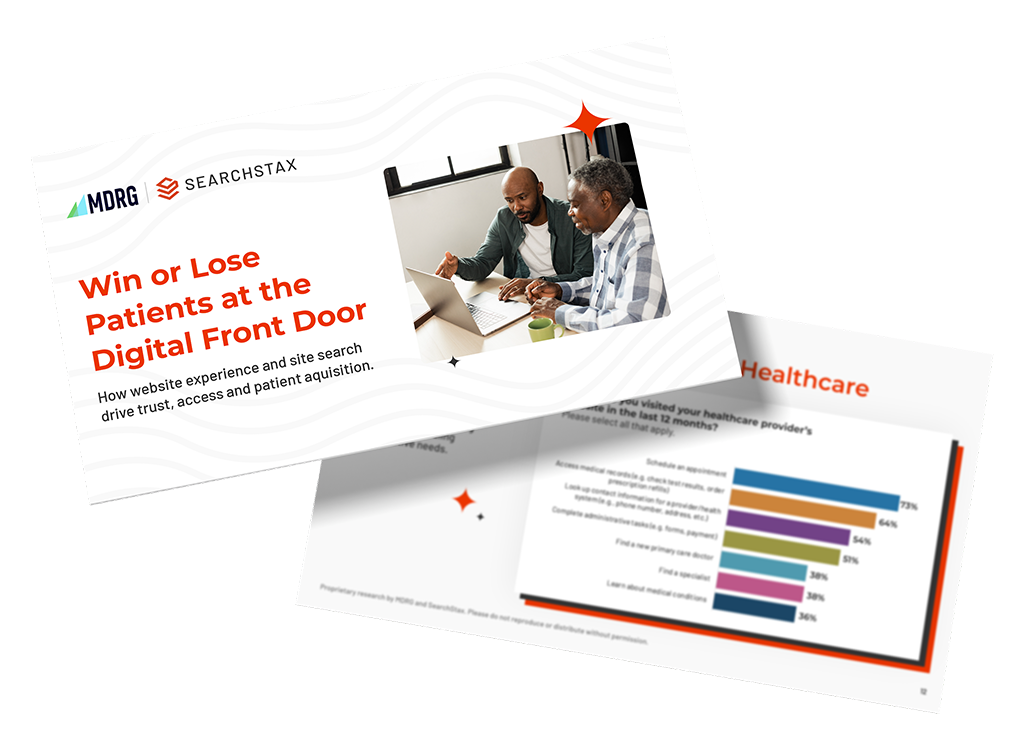
Download the 2026 “Win or Lose Patients at the Digital Front Door” report from SearchStax and MDRG.

Chris Pace
|
VP, Digital Experience Strategy
Chris Pace is VP, Digital Experience Strategy at SearchStax, where he helps enterprises modernize digital access through smarter site search and self-service. He brings 15+ years of marketing leadership focused on connecting people to valuable digital experiences.