 Optimizely

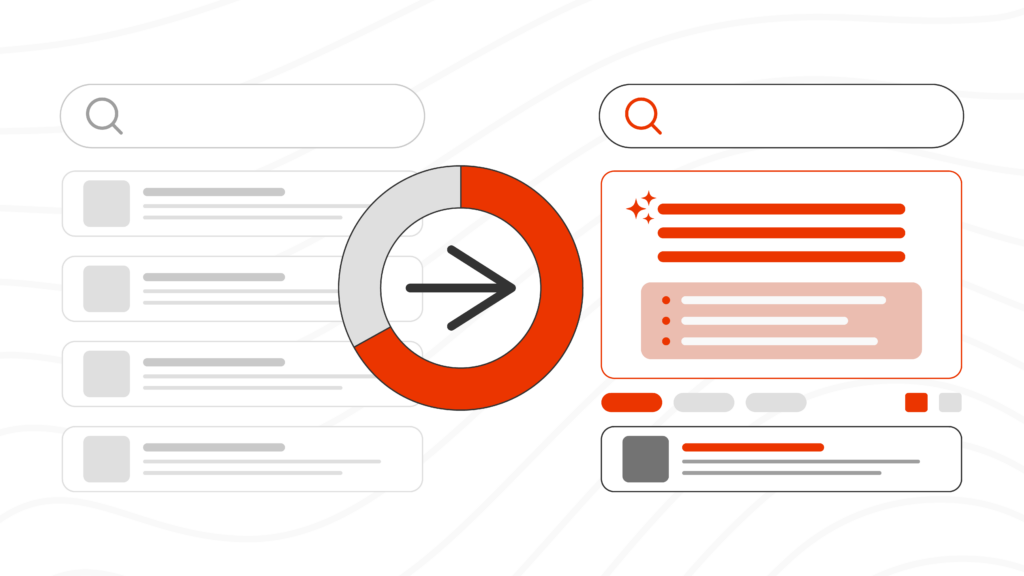

For a long time, onsite search was treated like a utility.
The search bar was there if visitors needed it. It helped people find a page, skip the menu or find their way when navigation didn’t easily get them where they wanted to go.
But that version of site search is outdated.
AI has changed how people discover information. Google AI Overviews, LLMs and conversational search experiences have trained website visitors to ask direct questions and expect useful answers quickly. Visitors are no longer satisfied with a list of related links. They expect search to understand what they mean, not just what they type.
That shift is putting pressure on enterprise websites. Visitors are usually doing much more research outside of websites than they were in the past. The visitors who do arrive often have clearer needs and higher intent. They’re ready to ask specific questions, and they expect the website to keep up.
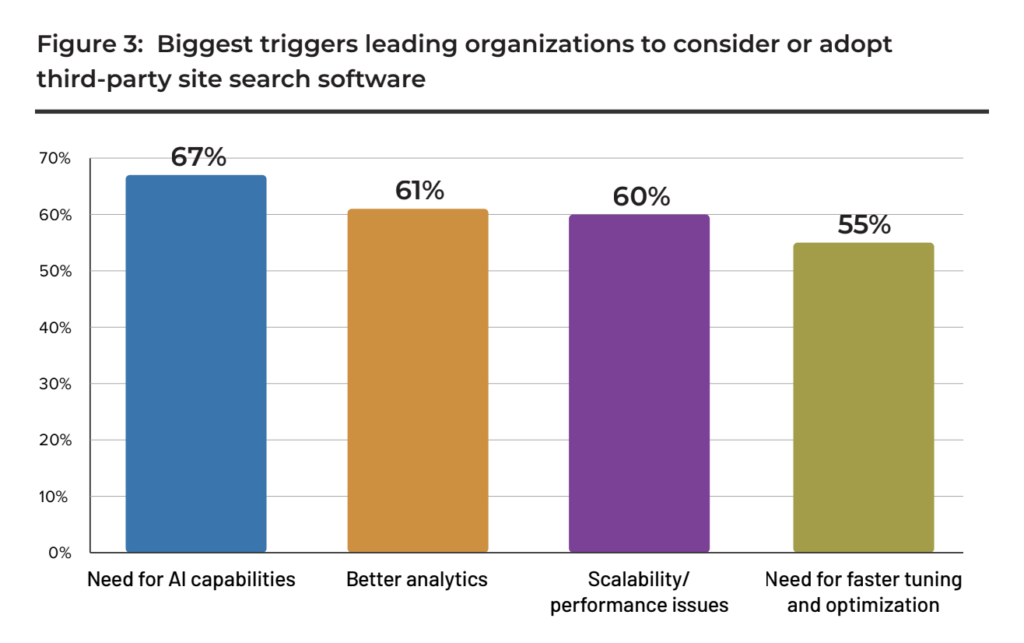
That context helps explain one of the clearest findings from the State of Enterprise Site Search report: 67% of organizations say the need for AI capabilities was the driving force behind adopting or considering third-party site search software.
AI Has Reset Search Expectations
AI has raised the stakes for traditional search results pages. People increasingly expect search experiences that can interpret natural language, understand context and provide answers without making them dig.
That expectation now follows visitors onto every enterprise website.
A prospective student searching a university website doesn’t want to guess which department owns the answer. A patient searching a healthcare system doesn’t have time to sort through outdated service pages. A buyer researching a manufacturer’s offerings shouldn’t need to scan 10 vaguely relevant results before finding the right spec sheet.
Visitors want the fastest path to an answer and clarity on the next step in their journey.
Native CMS and DXP search tools often struggle here because many were built around keyword matching and basic indexing. Those capabilities are still important, but they’re no longer enough. Modern site search needs to account for intent, context, content quality and relevance in ways that feel intuitive to the visitor.
Why AI Became the Trigger for Third-Party Site Search
The report shows that AI capabilities are the top trigger pushing organizations toward third-party site search solutions. To me, that says teams aren’t just looking for a slightly better search bar. They’re responding to this huge shift in user expectations.
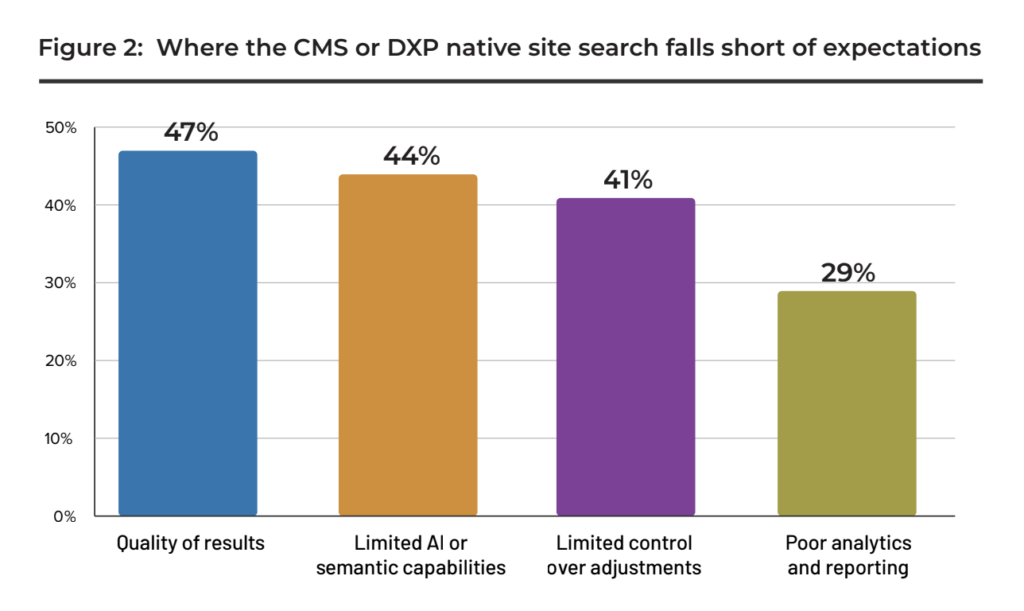
The report found that 44% of respondents say their current built-in search lacks AI or semantic capabilities. Another 41% say their organization does not have the ability to use onsite search data as a reliable signal of customer intent.
Those gaps affect the visitor experience and the business behind it.
Without AI or semantic capabilities, search can miss the meaning behind a query. Without reliable intent data, marketers and digital experience teams struggle to understand what audiences are actually looking for. The result is a search experience that underperforms on the front end and doesn’t inform strategy on the back end.
AI-powered site search should help teams do two things: give visitors more useful answers and give marketing teams more information about what their website visitors are looking for.
"The next phase of enterprise site search will be less defined by whether organizations add AI features and more defined by how strategically they use their AI capabilities."
The Features Organizations Want Most
The most-requested AI capabilities all point back to the same need: better relevance.
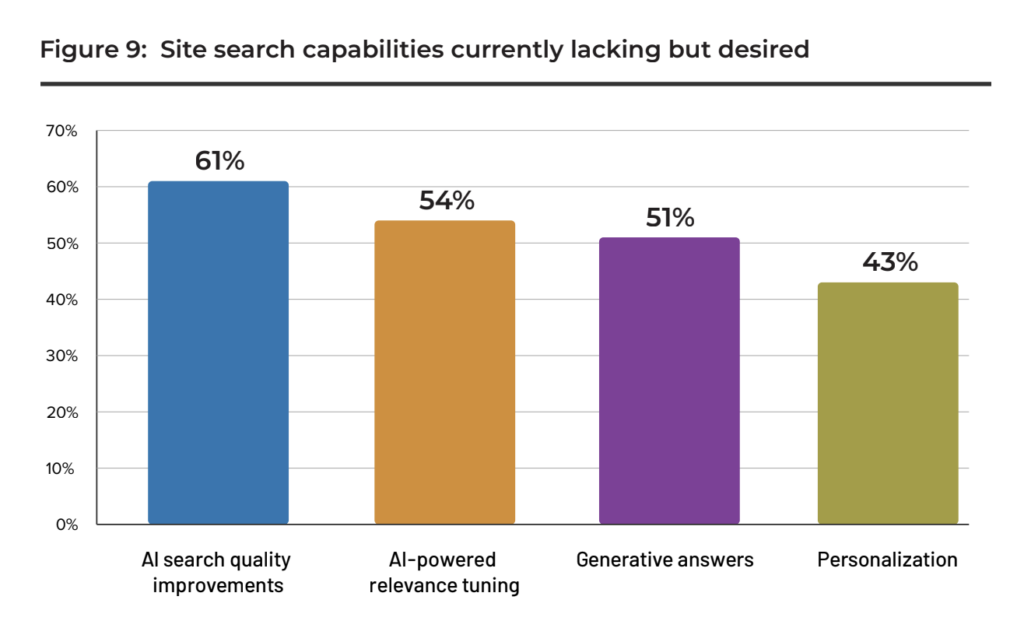
According to the report, 61% of respondents want AI search quality improvements, 54% want AI-powered relevance tuning and 51% want generative answers. That makes sense. Better search quality helps visitors get more relevant results, even when their wording doesn’t perfectly match the language used on the webpage. AI-powered relevance tuning helps teams improve the search experience without needing to manually manage every query. Generative answers can help visitors understand trusted website content faster, especially when it’s buried in reports, PDFs or long content visitors don’t have the time to pore over.
The AI Search Gap Is Also an Operations Gap
AI-powered search doesn’t work well in isolation; it depends on the quality of the content and the maturity of the processes around it.
The top barriers to improving AI performance in site search include content structure, technical complexity or integration challenges and limited AI capabilities within current site search solutions.
This is where organizations often underestimate the work ahead.
AI can improve relevance, summarize answers and identify patterns, but it can’t magically fix a disorganized content ecosystem. (We’re marketers, not magicians!) If pages are outdated, metadata is inconsistent or content ownership is unclear, AI-powered search will expose those weaknesses rather than hide them.
Organizations that want better AI search outcomes need to invest in the foundation: cleaner content structure, stronger governance, clearer ownership and tools that give teams visibility into what visitors are asking.
Human Oversight Still Matters
Enterprise teams are right to be thoughtful about AI in site search. Accuracy, brand trust and compliance are imperative, especially in regulated or content-rich industries like healthcare, government and financial services.
The report found that 80% of IT leaders consider human oversight critically or very important for AI-powered site search.
AI can help organizations move faster, but human experts still need a role in shaping the experience. Marketers understand audience needs. Content teams understand messaging and context. IT teams understand security, integration and risk. The strongest AI search experiences do not remove people from the process. They give humans better tools to manage the experience.
Ultimately, AI plus human oversight can lead to better answers, stronger trust and faster paths to the content visitors need.
Site Search Is Becoming a Strategic AI Channel
The next phase of enterprise site search will be less defined by whether organizations add AI features and more by how strategically they use their AI capabilities.
A stronger search experience can help visitors find answers faster, but it can also help organizations understand how demand changes over time. Every search query is a signal, and every unanswered query reveals a gap in your organization’s content. Search behavior patterns give marketers and digital experience teams a clearer understanding of what their audiences need.
As external traffic becomes less predictable and visitors arrive with specific expectations, the search bar has become a critical place to capture intent.
Organizations that modernize site search can turn that intent into better experiences and, ultimately, more revenue.
Get the Full Report
Want to read even more about why AI capabilities are pushing enterprises to rethink site search?
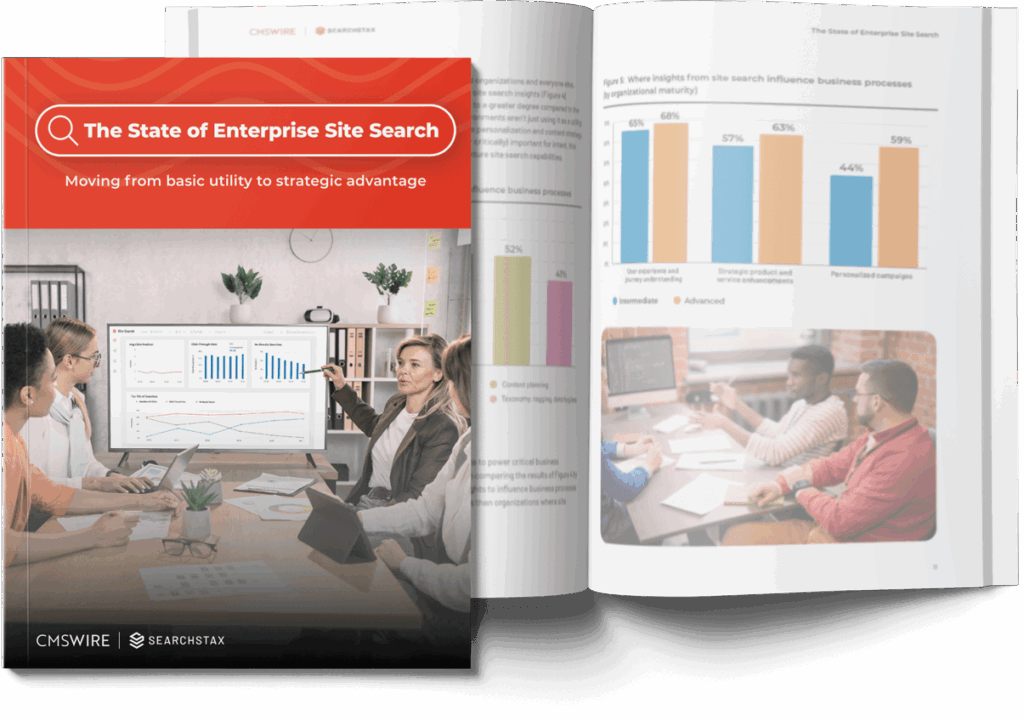
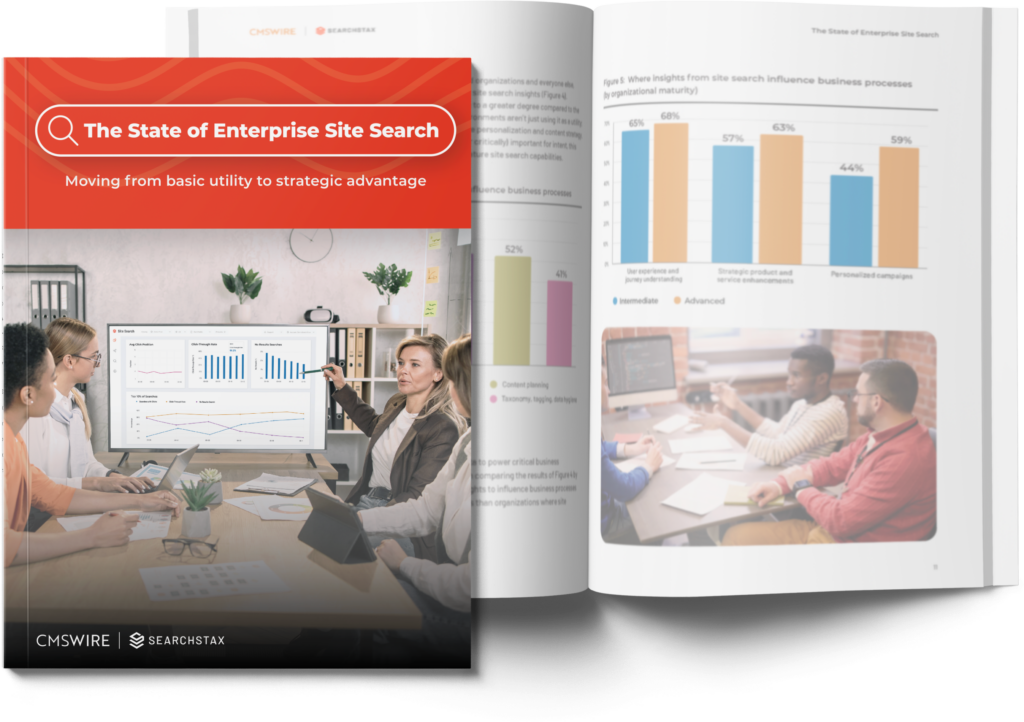
Download the full State of Enterprise Site Search report for benchmarks, insights and data from more than 500 enterprise leaders.

Allison Miriani
|
Director, Growth Marketing
Growth marketing leader focused on building scalable acquisition engines, optimizing website performance, and turning complex technical concepts into clear, compelling stories that drive measurable business results.